
AC Service: Key Insights Into Routine Care And System Performance

Benefits and Implications of AC Service: Routine Care and System Performance
Undertaking regular AC service can bring several operational benefits related to system efficiency and occupant comfort. Enhanced airflow, reduced cycling time, and consistent temperature distribution are commonly observed outcomes following routine filter replacement and coil cleaning. Such improvements may reduce the stress on compressors and motors, which are critical for reliable long-term operation. Documentation of service intervals allows for better tracking and can inform future maintenance planning.
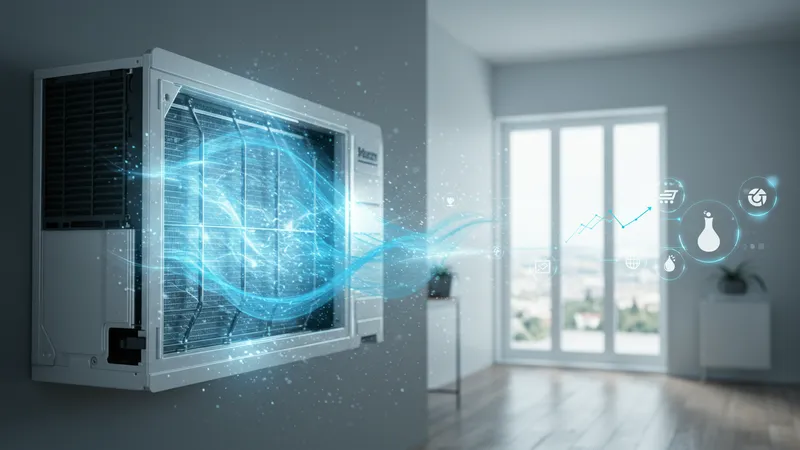
Another implication of routine AC service is energy management. Clean filters and balanced refrigerant levels typically support optimized energy consumption, as the system does not need to work as hard to maintain the set temperature. This may be reflected in more stable utility expenses over time, as indicated in technical resources like guidance from government energy offices. However, actual results can vary depending on unit age, climate, and use patterns.
There are often health and safety considerations linked to AC system performance. Accumulated dust or biological growth within the system can, in some cases, contribute to indoor air quality concerns. While routine care does not guarantee the elimination of all irritants, it may help mitigate the concentration and circulation of airborne particulates. External sources highlight the importance of filter maintenance and scheduled interior cleaning for maintaining a baseline indoor environment.
Long-term equipment durability is another consideration. Preventative checks may identify issues before they become severe, potentially reducing downtime and unexpected expenses. Many manufacturers highlight that evidence of consistent service can support warranty terms, although users should always consult their specific documentation. In practice, scheduled service often helps maintain a record of system health and usage.