
AC Service: Key Insights Into Routine Care And System Performance

Key Inspection Aspects in AC Service: Routine Care and System Performance
Inspection is a central component of AC service, typically involving a systematic review of major and minor system parts. Technicians may use visual assessment, temperature readings, and electrical measurements to assess conditions. This holistic approach can highlight early indicators of wear, corrosion, or blockage within key components such as coils and drain lines. The process often incorporates established maintenance guides to standardize reporting and support continuity between service sessions.
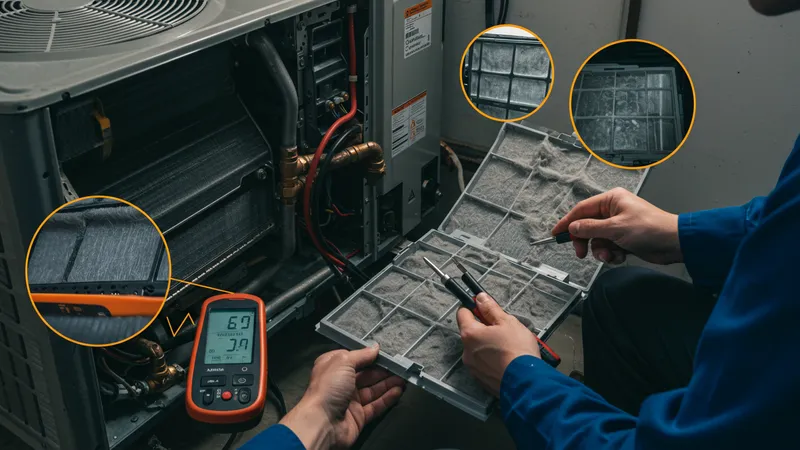
The technical examination of air filters is another important inspection aspect. Professionals generally check for visible dust buildup and structural damage. Clogged or damaged filters may restrict air movement, requiring the AC fan and compressor to operate for longer cycles. A well-documented routine of filter checks can help reduce system strain and may extend the functional period between occasional repairs.
Refrigerant circuit inspection typically addresses both safety and functional concerns. Detecting low or imbalanced refrigerant pressures may signal the presence of leaks or improper charge, which can negatively affect cooling efficiency. Credentials of service providers and reference to official material specifications add transparency to these evaluations. Repairs such as leak sealing or proper recharging are usually performed only after a comprehensive inspection confirms the need.
Electronics and system controls form the final inspection aspect considered by many service professionals. Routine testing of thermostats, sensors, and electrical connections may prevent errors related to inaccurate temperature sensing or relay switching. This area of inspection focuses on ensuring that the system responds consistently and safely to user-set conditions. The combined inspection regime helps build a foundation for ongoing, informed AC maintenance.
Inspection is a central component of AC service, typically involving a systematic review of major and minor system parts. Technicians may use visual assessment, temperature readings, and electrical measurements to assess conditions. This holistic approach can highlight early indicators of wear, corrosion, or blockage within key components such as coils and drain lines. The process often incorporates established maintenance guides to standardize reporting and support continuity between service sessions.
The technical examination of air filters is another important inspection aspect. Professionals generally check for visible dust buildup and structural damage. Clogged or damaged filters may restrict air movement, requiring the AC fan and compressor to operate for longer cycles. A well-documented routine of filter checks can help reduce system strain and may extend the functional period between occasional repairs.
Refrigerant circuit inspection typically addresses both safety and functional concerns. Detecting low or imbalanced refrigerant pressures may signal the presence of leaks or improper charge, which can negatively affect cooling efficiency. Credentials of service providers and reference to official material specifications add transparency to these evaluations. Repairs such as leak sealing or proper recharging are usually performed only after a comprehensive inspection confirms the need.
Electronics and system controls form the final inspection aspect considered by many service professionals. Routine testing of thermostats, sensors, and electrical connections may prevent errors related to inaccurate temperature sensing or relay switching. This area of inspection focuses on ensuring that the system responds consistently and safely to user-set conditions. The combined inspection regime helps build a foundation for ongoing, informed AC maintenance.