
AC Service: Key Insights Into Routine Care And System Performance

Routine air conditioning (AC) service encompasses a series of technical inspections, cleanings, and minor adjustments aimed at maintaining the reliability, safety, and energy performance of cooling systems. This service approach is designed to detect operational inefficiencies, prolong equipment lifespan, and help ensure that system components function within recommended parameters. Key insights into routine care focus on preventative measures and the performance monitoring of core system parts, rather than responding only to breakdowns. As AC units are used seasonally or year-round depending on climate, regular maintenance may provide measurable improvements in both functional efficiency and occupant comfort.
Professionals involved in AC servicing typically concentrate on tasks such as checking refrigerant levels, inspecting filters, and testing system controls. These actions help identify potential issues before they escalate and can reduce the likelihood of unexpected malfunctions. Routine care also generally includes guidance on appropriate system usage and early warning signs that may indicate a decline in performance. The intent is to maintain optimal operation rather than pursue occasional, reactive repairs.
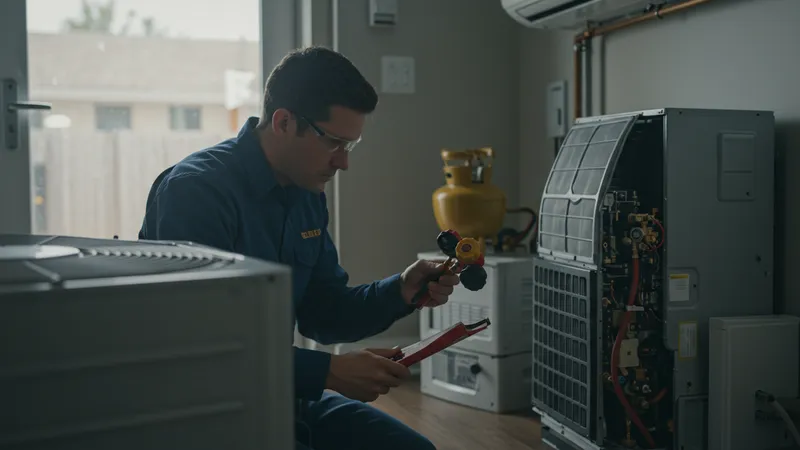
- Visual Inspection and Cleaning: Involves assessing the condition of coils, fins, and filters; typically may cost from $70 to $130 per session.
- Refrigerant Level Monitoring: Checking for leaks or pressure fluctuations; estimates for this process often range from $90 to $200 if refrigerant adjustment is required.
- Filter Replacement: Swapping out or cleaning filters; material costs typically may vary from $10 to $40 depending on filter type and size.
Routine AC service differs from emergency repairs by emphasizing continual monitoring and gradual improvement rather than single-event fixes. Visual inspection and cleaning may remove accumulated dust or debris, which can contribute to efficient airflow and system reliability. These activities are widely regarded as a foundational step in maintaining system integrity without major component intervention.
Refrigerant level monitoring is a specialized practice that focuses on the pressurized substance responsible for heat transfer. Typical service includes identifying possible leaks or assessing system charge levels according to manufacturer specifications. Such checks may prevent both energy waste and potential environmental concern if refrigerant escapes.
Filter replacement is another core component of regular service, as filters tend to capture dust and airborne particulates during operation. Over time, clogged filters may impede airflow, causing the system to operate less efficiently. Service providers usually recommend filter changes at intervals suggested by manufacturers, but usage patterns may influence the required frequency.
In summary, these examples illustrate foundational practices of AC service that emphasize prevention, system health, and energy management. The outlined procedures are commonly referenced and are representative of a typical maintenance session. The following sections examine operational, technical, and performance considerations associated with these key AC service components in further detail.