
Maximizing Efficiency With Fleet Management Solutions

The Surprising Environmental Impact
Fleet management doesn’t just save companies money; it plays a pivotal role in reducing carbon footprints. In fact, recent studies reveal that optimizing routes can cut emissions by up to 30%, a statistic that puts environmental efforts into high gear. It’s a ripple effect that starts with a single software update but ends with tangible global benefits. And it’s not just the earth that’s reaping the rewards. Companies that prioritize eco-friendly solutions are seeing increased customer loyalty.
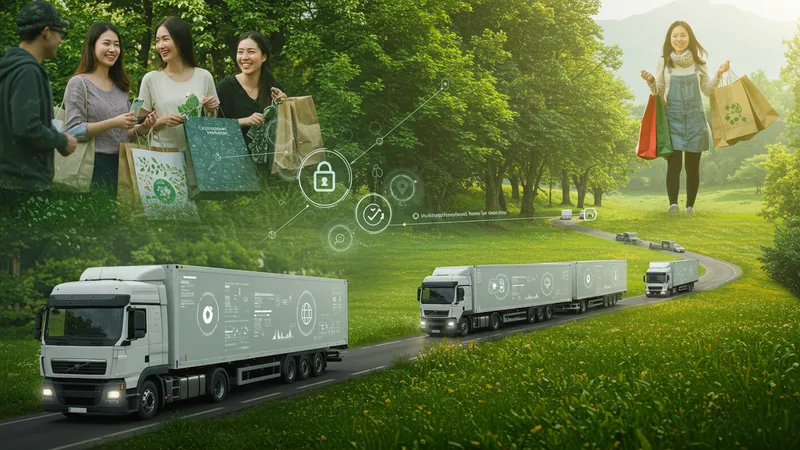
But there’s one more twist… Companies are discovering that consumers are willing to pay a premium for brands that actively reduce their environmental impact, thus turning sustainability efforts into a lucrative business strategy. Suddenly, fleet management is not just about transportation efficiency but also about ethical business models. Now, top brands are racing to out-green each other, each hoping to win over eco-conscious customers. What does this mean for future business landscapes?
Incorporating advanced telematics solutions aids in tracking not only fuel usage but vehicle maintenance needs. This proactive approach to maintenance means fewer breakdowns, which in turn means fewer pollutants sneaking into our atmosphere. And that’s just the start; some companies have integrated these systems directly into their CSR strategies to highlight their commitment to environmental responsibility. The landscape of fleet management is truly shifting under our feet.
What you read next might change how you see this forever. As more advanced AI tools emerge, anticipatory logistics could become the new norm, predicting needs before they arise, much like a well-oiled machine on autopilot. Imagine a world where your fleet management is predicted and optimized without lifting a finger. Stay tuned to see how close we are to this reality and who’s already making strides in this direction…
Fleet management doesn’t just save companies money; it plays a pivotal role in reducing carbon footprints. In fact, recent studies reveal that optimizing routes can cut emissions by up to 30%, a statistic that puts environmental efforts into high gear. It’s a ripple effect that starts with a single software update but ends with tangible global benefits. And it’s not just the earth that’s reaping the rewards. Companies that prioritize eco-friendly solutions are seeing increased customer loyalty.
But there’s one more twist… Companies are discovering that consumers are willing to pay a premium for brands that actively reduce their environmental impact, thus turning sustainability efforts into a lucrative business strategy. Suddenly, fleet management is not just about transportation efficiency but also about ethical business models. Now, top brands are racing to out-green each other, each hoping to win over eco-conscious customers. What does this mean for future business landscapes?
Incorporating advanced telematics solutions aids in tracking not only fuel usage but vehicle maintenance needs. This proactive approach to maintenance means fewer breakdowns, which in turn means fewer pollutants sneaking into our atmosphere. And that’s just the start; some companies have integrated these systems directly into their CSR strategies to highlight their commitment to environmental responsibility. The landscape of fleet management is truly shifting under our feet.
What you read next might change how you see this forever. As more advanced AI tools emerge, anticipatory logistics could become the new norm, predicting needs before they arise, much like a well-oiled machine on autopilot. Imagine a world where your fleet management is predicted and optimized without lifting a finger. Stay tuned to see how close we are to this reality and who’s already making strides in this direction…