
AC Service: Key Insights Into Routine Care And System Performance

Current Trends and Future Outlook for AC Service: Routine Care and System Performance
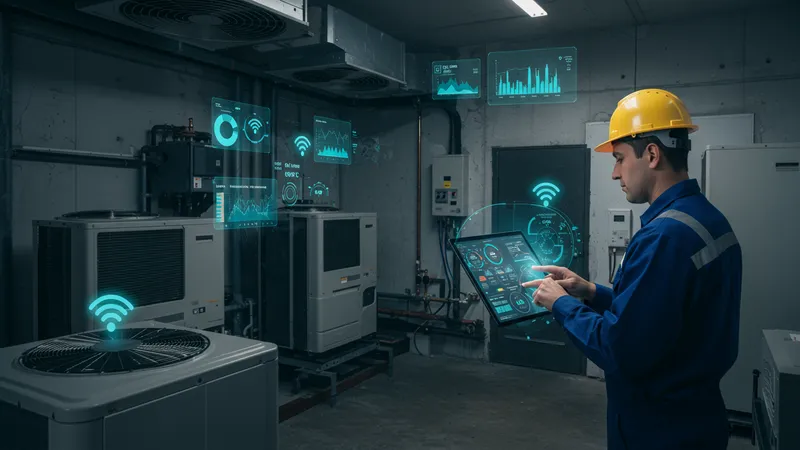
The AC service sector continues to evolve in response to shifts in technology, energy standards, and occupant expectations. Smart diagnostics and remote monitoring tools are being introduced to streamline maintenance and quickly identify performance variations. Some systems now use Wi-Fi-enabled sensors to provide real-time data on airflow, filter status, and temperature consistency, allowing technicians to adjust care routines based on current operating conditions rather than fixed schedules.
Environmental policies are increasingly shaping the direction of AC service practices. Regulations regarding the safe handling and phaseout of certain refrigerants have led service providers to adopt training and methods that support environmental stewardship. This may prompt adjustments in service protocols and encourage equipment design changes aimed at minimizing leakage risks and streamlining maintenance processes.
Another growing area of focus involves energy-efficient service techniques and materials. The use of high-performance filters, system retrofits, and consultation with official maintenance guides supports improved energy management. Industry organizations such as AHRI and ASHRAE provide ongoing updates and technical recommendations related to maintenance practices for both residential and commercial AC units.
Overall, regular service remains a crucial approach for supporting system performance and reliability. As technology advances and regulations evolve, service models may adapt to prioritize both functional and environmental outcomes. Continued attention to data-driven maintenance and transparent cost estimation is expected to characterize the future of AC system care.
The AC service sector continues to evolve in response to shifts in technology, energy standards, and occupant expectations. Smart diagnostics and remote monitoring tools are being introduced to streamline maintenance and quickly identify performance variations. Some systems now use Wi-Fi-enabled sensors to provide real-time data on airflow, filter status, and temperature consistency, allowing technicians to adjust care routines based on current operating conditions rather than fixed schedules.
Environmental policies are increasingly shaping the direction of AC service practices. Regulations regarding the safe handling and phaseout of certain refrigerants have led service providers to adopt training and methods that support environmental stewardship. This may prompt adjustments in service protocols and encourage equipment design changes aimed at minimizing leakage risks and streamlining maintenance processes.
Another growing area of focus involves energy-efficient service techniques and materials. The use of high-performance filters, system retrofits, and consultation with official maintenance guides supports improved energy management. Industry organizations such as AHRI and ASHRAE provide ongoing updates and technical recommendations related to maintenance practices for both residential and commercial AC units.
Overall, regular service remains a crucial approach for supporting system performance and reliability. As technology advances and regulations evolve, service models may adapt to prioritize both functional and environmental outcomes. Continued attention to data-driven maintenance and transparent cost estimation is expected to characterize the future of AC system care.